
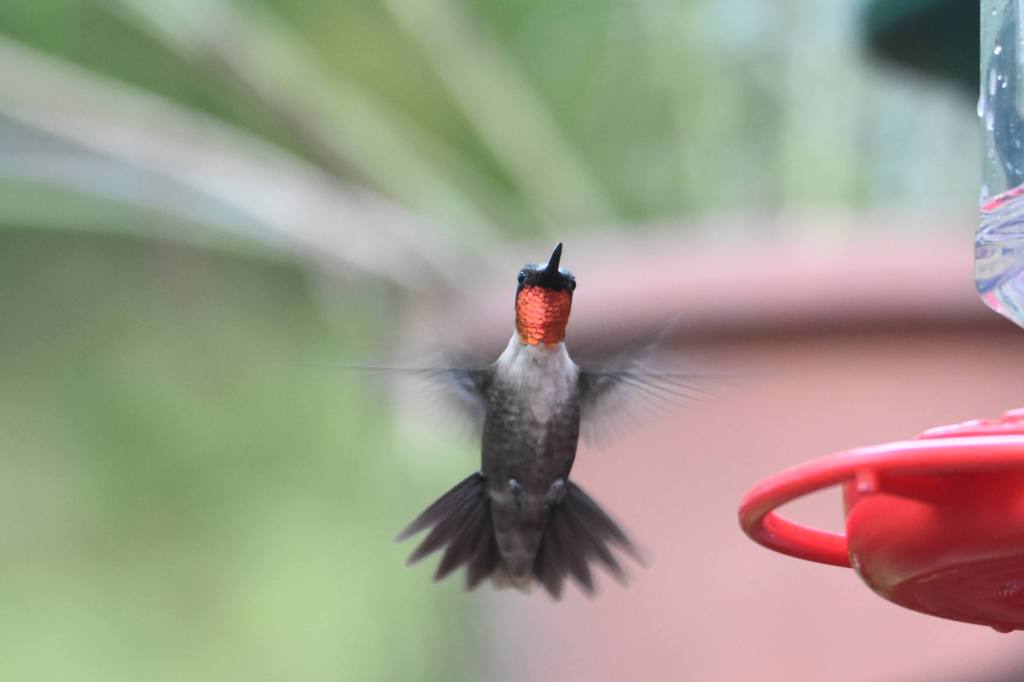
Hi Besties! I don’t know about you, but hummingbirds have always amazed me. They have an incredible ability to race through the air so quickly that you can barely see them to suddenly stop and appear almost as if they are hovering in mid-air, it’s always so exciting to spot them! If you have an interest in attracting these enchanting creatures to your garden, you’re in for a treat. With a little knowledge and some planning, you can transform your outdoor space into a hummingbird haven. In this post, I’ll walk you through the best ways to attract hummingbirds, focusing on specific plants and feeders that will help make your garden irresistible to these tiny creatures.
Choose the Right Plants
To entice hummingbirds to your garden, it’s crucial to include nectar-rich flowers that appeal to their feeding habits. It’s also good to think about the color of the plants you are choosing. Hummingbirds are specifically drawn to bright red, though they will also feed on other colored plants. Here are some popular choices and the great thing is that they are all perennials!
- Salvia: These tubular flowers come in various colors and are a favorite among hummingbirds.
- Bee balm: With its bright red, pink, or purple flowers, bee balm is a magnet for hummingbirds.
- Trumpet vine: This vine produces vibrant orange or red flowers, which hummingbirds find irresistible.
- Cardinal climber: Known for its striking scarlet blossoms, the cardinal flower is a must-have for attracting hummingbirds.
Amazon items linked throughout this post are linked using my Amazon Associate account. As an Amazon Associate I earn from qualifying purchases and really appreciate your support!
Incorporate a Variety of Flowering Seasons
To attract hummingbirds throughout the year, aim for a diverse selection of plants that bloom in different seasons. This ensures a continuous food source. Consider including the following
- Spring: Columbine, bleeding heart (this one is easier to buy a live plant than to start from seed), and coral bells.
- Summer: In addition to the list above, agastache, phlox, and coneflowers.
- Fall: Fuchsia (these are also easier to buy a live plant), sedum, and goldenrod.
Provide a Hummingbird Feeder
Supplementing natural nectar sources with a hummingbird feeder is an excellent way to attract and observe these delightful birds up close. Here are some tips for selecting and maintaining a feeder:
- Opt for a feeder with bright red accents, as hummingbirds are attracted to this color. I use this feeder and it has worked really well to attract hummingbirds!
- Choose a feeder with perches to provide a comfortable resting spot for the birds.
- Use a nectar solution of four parts water to one part white granulated sugar. I mix the sugar in very warm water until it completely dissolves before putting it into the hummingbird feeders. Avoid using honey, artificial sweeteners, or red dye. I repeat – do not use red food dye!!
- Clean the feeder thoroughly every few days to prevent mold and bacteria growth.
Create a Hummingbird-Friendly Environment:
Hummingbirds not only seek nectar but also rely on insects for protein. By avoiding pesticide use and incorporating native plants, you can create a welcoming environment for both hummingbirds and their insect prey. Additionally, consider these garden features:
- Provide shelter and perching spots with shrubs, small trees, or trellises. I love this trellis from growing vegetables like cucumbers and pole beans and allowing the climbing plants that attract hummingbirds, such as cardinal climbers, to climb with the veggies. It looks really cute in the garden and it’s fun that you can walk under it.
- Place a shallow water source, such as a birdbath or small fountain, for drinking and bathing.
- Include small rocks or pebbles in your garden to offer perching spots.
Stay Consistent and Observant:
Attracting hummingbirds to your garden takes patience and consistency. Keep your feeder and flowers well-maintained, especially during the peak hummingbird seasons, which in NJ is May through September. Observe their behavior and make adjustments accordingly, such as adding more nectar-rich plants or adjusting the feeder’s location.
Conclusion
With a little effort and the right approach, anyone can create a hummingbird haven in their garden. By selecting nectar-rich plants, incorporating a hummingbird feeder, and creating a welcoming environment, you’ll soon find yourself enjoying the captivating presence of these remarkable birds. Remember to stay patient and observant, and in no time, you’ll be rewarded with the joyous fluttering and vibrant colors that hummingbirds bring to your garden. Happy gardening!
 Besties Garden
Leave a comment