
Introduction
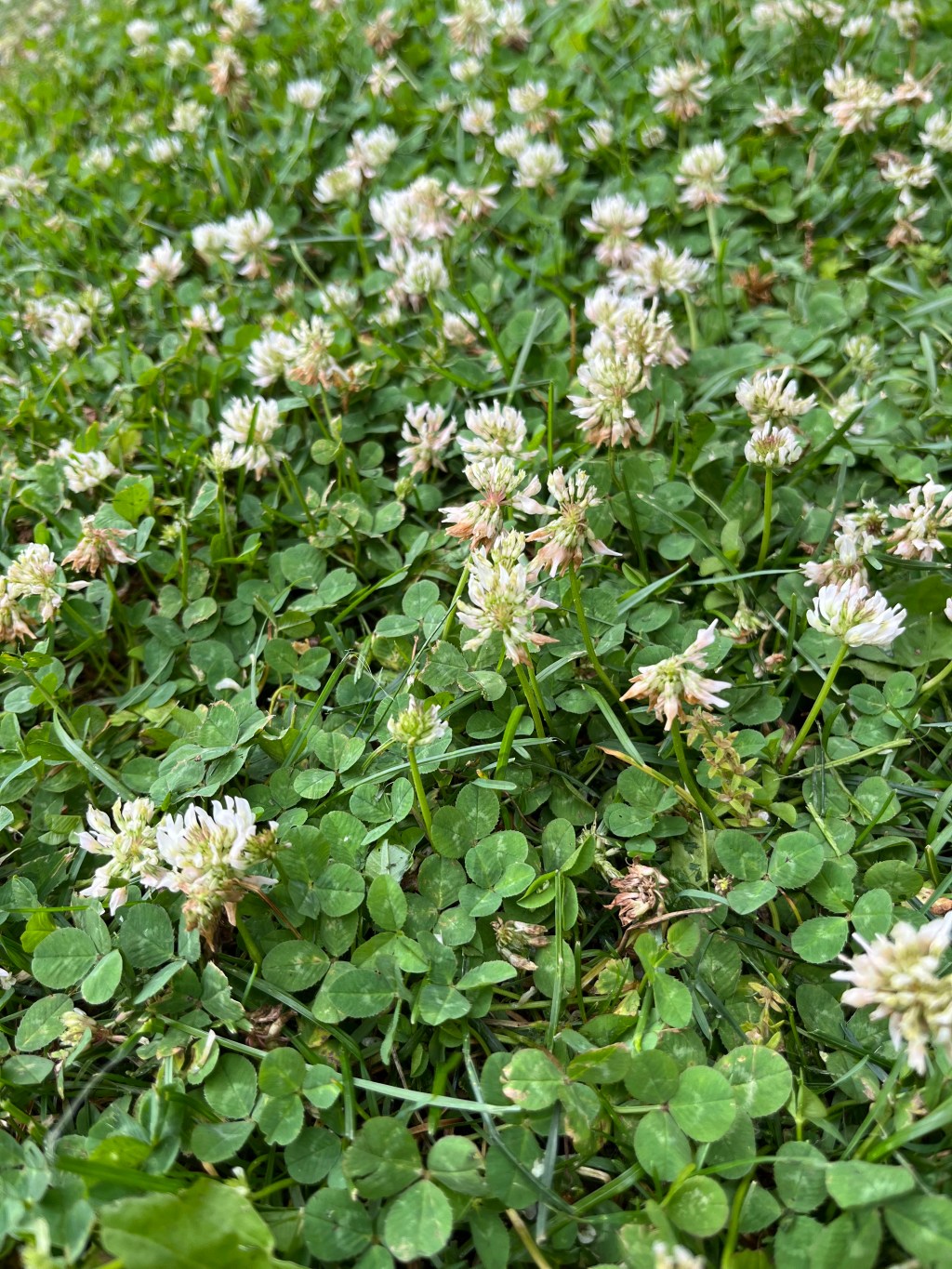
Hi Besties! I have to admit that throughout my life, I have fallen into the trap of wanting a perfectly green yard free of weeds. However, over the last couple of years, I have been talking to neighbors and friends of different backgrounds and from different countries, and it has really changed my perspective. I have been so fascinated by the many different uses of the “weeds” in our yard and also their many benefits!
Among the benefits of weeds are that they are beneficial for pollinators and generally provide one of the earliest sources of nectar, they can act as an attractive looking ground cover, prevent erosion, and they can add nutrients to the soil. What I will be focusing specifically on in this post though, are edible weeds and their nutritional value. I was surprised when I was researching some of these! Before I begin walking through the plants and their nutritional benefits, I would like to state – please only eat plants that you are familiar with and wash plants thoroughly before eating them!
Amazon items linked throughout this post are linked using my Amazon Associate account. As an Amazon Associate I earn from qualifying purchases and really appreciate your support!
Common Edible Weeds in our Yards
Dandelion (Taraxacum officinale):
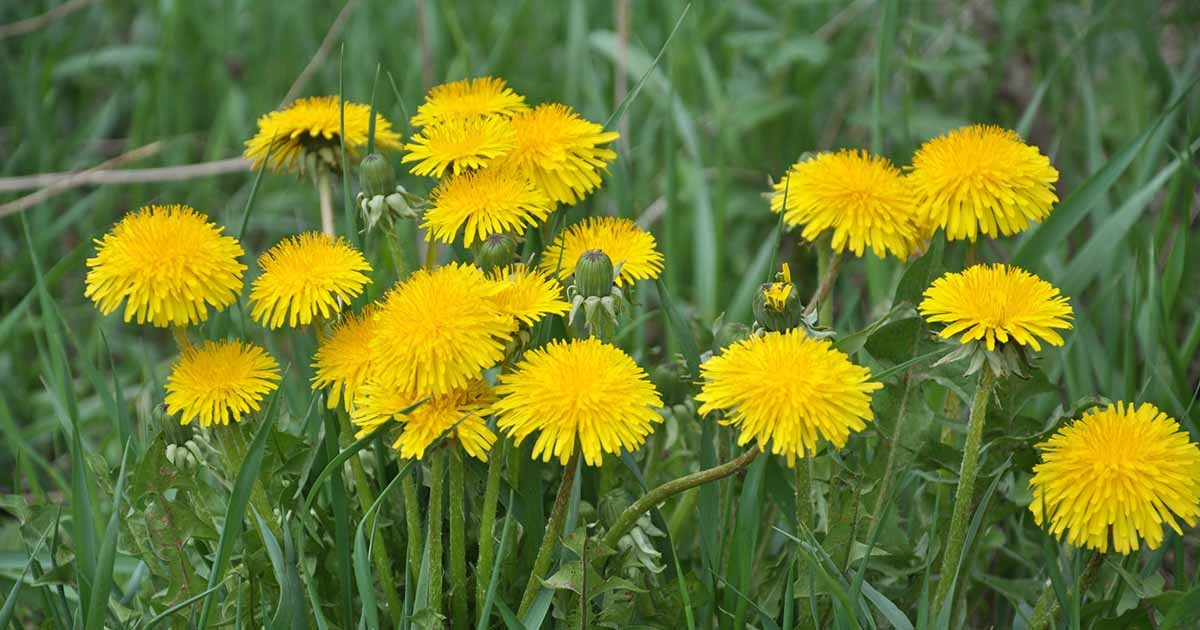
- Health Benefits: Rich in vitamins A, C, and K, as well as minerals like iron and calcium. It supports digestion, liver function, and detoxification.
- Culinary Uses: Harvest young dandelion leaves for salads or sauté them with garlic and olive oil. The flowers can be used to make dandelion wine or infused into teas. You can use flower, leaves or roots for teas, and there are many benefits to drinking dandelion tea. You can use this tea infuser if you want to give it a try!
- A tool like this can help pull the dandelion from the ground including the long taproot.
White Clover
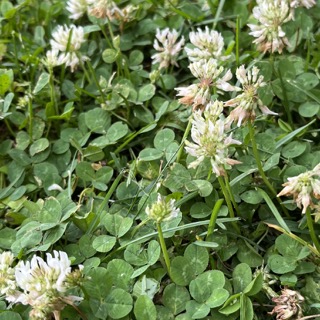
- Health Benefits: White clover is a member of the legume family and contains vitamins, minerals, and antioxidants including vitamins A, C, calcium, protein, magnesium, and potassium. that support overall well-being. White clover aids digestion, helps purify the blood, and has anti-inflammatory properties.
- Culinary Uses: White clover can be enjoyed fresh in salads, used to make infusions or teas, added as a garnish or seasoning, used to make pesto or spreads, and incorporated into fermented recipes.
Purslane (Portulaca oleracea):

- Health Benefits: A powerhouse of omega-3 fatty acids, antioxidants, and vitamins A and C. It supports heart health, reduces inflammation, and boosts immune function.
- Culinary Uses: Enjoy the succulent leaves fresh in salads, stir-fries, or as a nutritious addition to smoothies. It can also be pickled for a tangy twist.
Chickweed (Stellaria media):
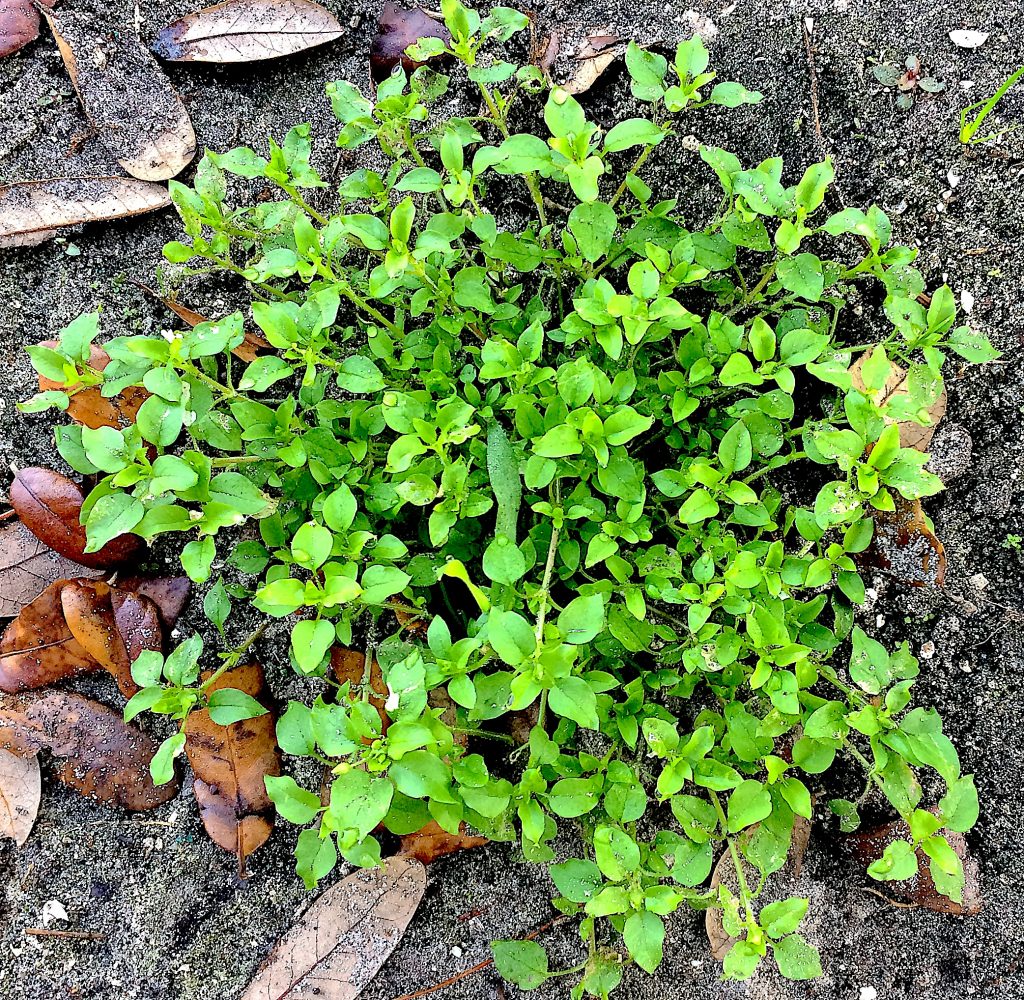
- Health Benefits: Loaded with vitamins, minerals, and antioxidants. It aids in digestion, supports skin health, and helps boost immunity.
- Culinary Uses: Add young chickweed leaves to salads, sandwiches, or soups. It can also be used to make pesto or blended into green juices.
- Check out this chickweed pesto recipe! I love this mini food processor for making dips & sauces.
Lamb’s Quarters (Chenopodium album):
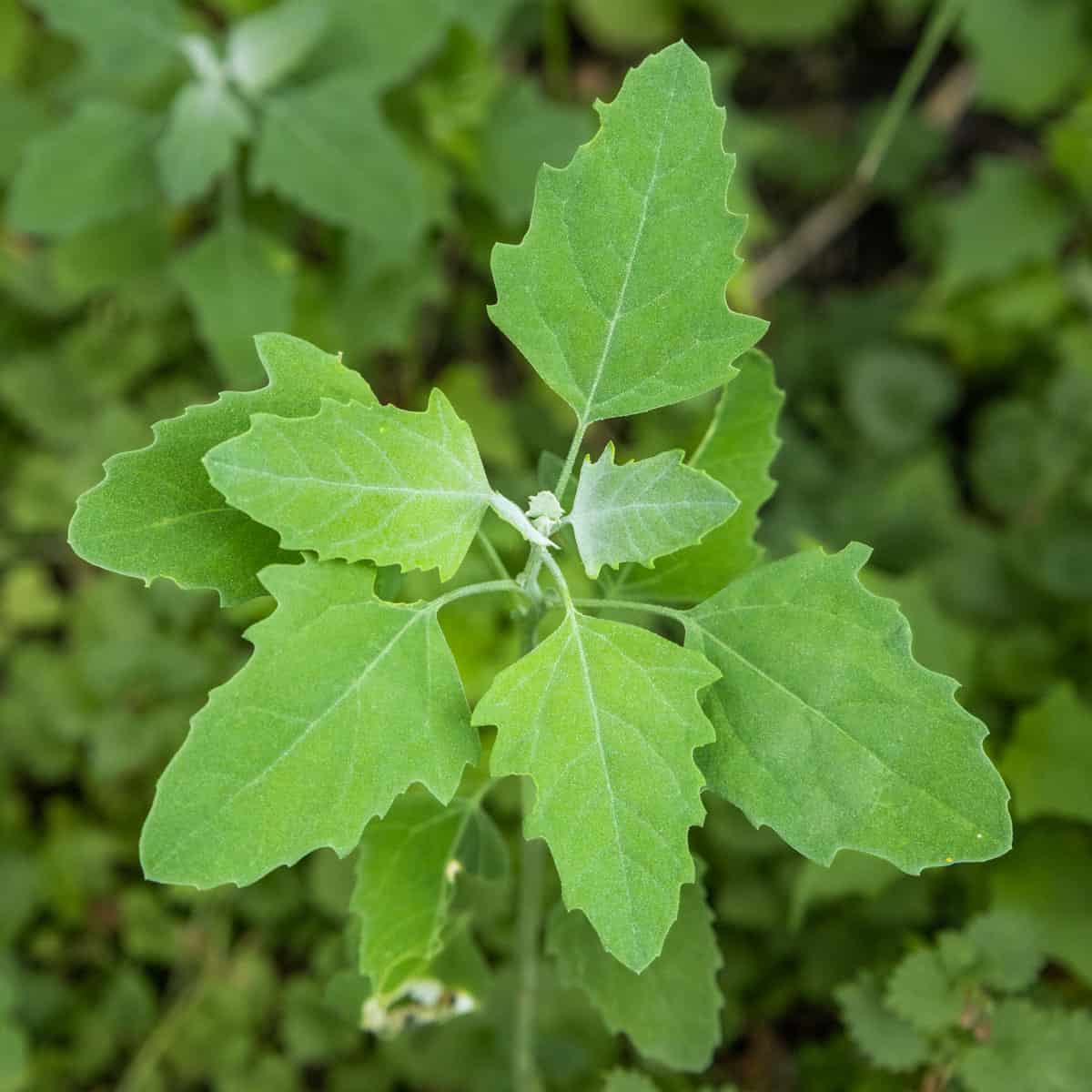
- Health Benefits: Packed with vitamins A, C, and K, as well as minerals like calcium and magnesium. It supports bone health, boosts immunity, and aids in digestion.
- Culinary Uses: Use young lamb’s quarters leaves as a spinach substitute in various dishes such as stir-fries, soups, or quiches. It can also be added to pesto or used as a nutritious stuffing.
Stinging Nettle (Urtica dioica):

- Health Benefits: A nutritional powerhouse rich in iron, calcium, and vitamins A and C. It supports joint health, improves allergies, and aids in detoxification.
- Culinary Uses: Harvest young nettle leaves, blanch them to remove the sting, and use them in soups, stews, or as a replacement for spinach. It can also be brewed into a nourishing herbal tea.
Wood Sorrel (Oxalis spp.):
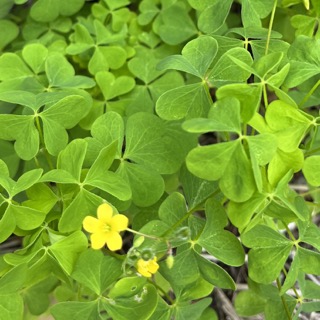
- Health Benefits: Packed with vitamin C, antioxidants, and minerals. It supports digestion, boosts immune function, and may have anti-inflammatory properties.
- Culinary Uses: Add wood sorrel leaves to salads for a lemony tang or use them as a garnish for savory dishes. It can also be blended into sauces or infused into vinegar. Give this dispenser a try to infuse your vinegar! The vinegar has a lemony flavor and can be used as a salad dressing or a marinade for rmeat.
Creeping Charlie:
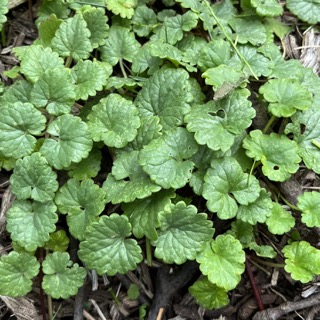
- Health Benefits: Creeping charlie contains antioxidants and has traditionally been used in herbal medicine for its potential anti-inflammatory and diuretic properties. It has also been used to soothe respiratory ailments and as a tonic for digestion.
- Culinary Uses: Although not commonly used as a primary ingredient in cooking, creeping charlie can be added sparingly to salads or used as a garnish. It has a slightly minty flavor that can add a unique twist to dishes.
It’s important to note that some of these weeds can become invasive and spread rapidly in lawns and garden beds. The focus of the post is to utilize what you already have growing in your yard, but I wouldn’t recommend planting these weeds in your yard if they are not already there unless they are in an area that is contained.
Remember, when foraging for edible weeds, ensure that you positively identify the plants and harvest them from areas free of pesticides or contaminants.
Conclusion
The next time you’re in your yard, take a closer look at the weeds that surround you. These “unwanted” plants can offer a world of culinary exploration and health benefits. Are you brave enough to try them? Let me know what you think!! Happy Gardening!
 Besties Garden
Leave a comment